Category: Blog

Your blog category

  • How to Budget for Beginners: Managing Your Money Wisely

    How to Budget for Beginners: Managing Your Money Wisely

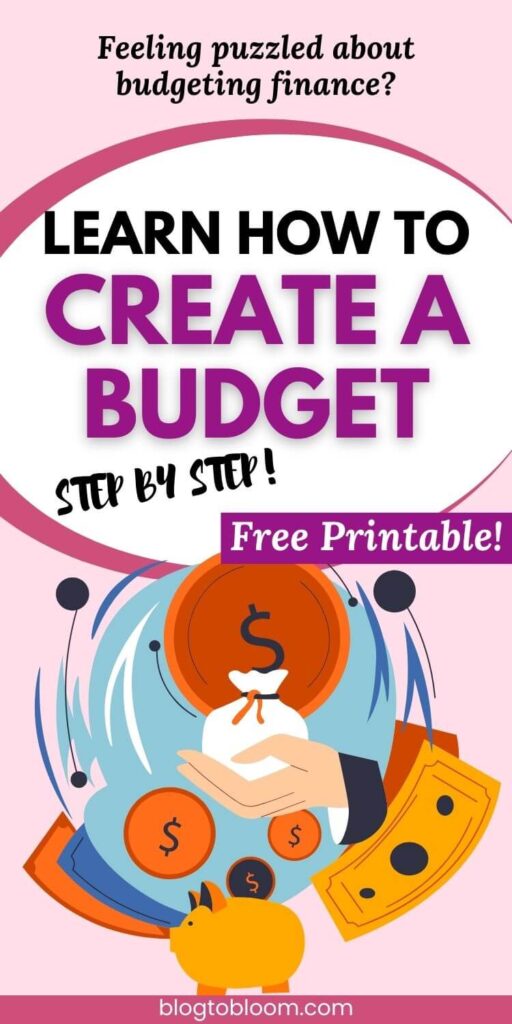
    Managing your finances wisely begins with understanding “how to budget.” Learn how to take control of your money and work toward a more secure future, regardless of your income level. Read on for valuable tips and free budgeting resources to manage your money wisely.


    Contents

    Introduction

    “Do not save what is left after spending, but spend what is left after saving,” Warren Buffet, possibly the most well-known fundamental investor in the world, once said.

    I wonder if I can consider this wise quote an example of inversion thinking.

    I don’t have any proof or relevant data, but I’d bet you that most people would do exactly the opposite way. 

    Save after spending, or spend after saving? Which type are you? 

    To be honest, I’m the former type. Guilty as charged.

    I might brush this tip off and think that it’s impossible if I heard about it when I was young. But now I’ve lived long enough to appreciate the wisdom of this financial advice. 

    And I’ve learned a few money skills and tips to know that it’s possible to save first and spend later, even if you’re on a low income. 

    You can definitely do it if you learn how to budget

    Save for later ⤵️

    how to budget for beginners

    Why Do We Need A Budget?

    Creating and sticking to a budget is a crucial step to manage your money wisely. It provides a roadmap that enables you to make informed decisions about your spending and saving habits.

    Budgeting has the following benefits: 

    • Budgeting helps you understand your income sources, track expenses, and identify overspending or wasted money, giving you control over your finances.
    • Budgeting helps you manage your money. You can allocate specific amounts for saving towards debt repayment, emergency funds, and other financial aspirations.
    • With a budget, you can make sure that you live within your means and that your finances are under control. Even in the event of unexpected expenses, you will know that you can handle it.

    By prioritizing saving and investing in your budget, you can grow your wealth and secure your financial future.

    How to Budget for Beginners: A Step-by-Step Guide

    Budgeting may seem daunting, especially if you are new to it, but fear not. Here’s a step-by-step guide to help you create an effective budget:

    #1: Track Your Income and Expenses

    To get started, list out your income sources, such as your salary, earnings from side hustles, investment returns, and any regular money you receive. 

    Additionally, track your expenses for a month, organizing them into categories like housing, transportation, food, utilities, entertainment, and savings. Tracking your spending will give you a clearer insight into where your money goes.

    To track your expenses, you may make use of budgeting apps or simple spreadsheets. Alternatively, download our monthly expense tracker PDF printable for absolutely FREE to start tracking.

    #2: Set Financial Goals

    Define both short-term and long-term financial goals, such as paying off debts, saving for a home down payment, establishing an emergency fund, saving for a wedding or a trip, or investing for retirement. 

    Having well-defined goals will help you prioritize and allocate your money more effectively. These goals are like a compass pointing your budgeting in the right direction.

    #3. Create a Budget Template

    Based on your income and expenses from the previous month, create a budget template for the upcoming month. 

    Take the following steps to create your budget, ensuring that your total expenses do not exceed your income:

    • List and prioritize your fixed expenses, such as rent, utilities, insurance premiums, and loan payments.
    • Estimate variable expenses like groceries, transportation, dining out, entertainment, and personal care.
    • Dedicate a specific amount for short-term and long-term financial goals.
    • Allocate a portion of your budget to pay off debt systematically if you have outstanding debts.
    • Set aside a small amount for miscellaneous or unexpected expenses.

    Download our FREE monthly budget planner PDF printable to simplify your budgeting process.

    #4. Monitor and Adjust

    Keep tracking your expenses and regularly monitor your budget.

    At the end of each week or each month, compare your actual spending to the budgeted amounts. This will give you a clear understanding of how well you are adhering to your financial plan.

    Use this information to make necessary adjustments. If you find yourself consistently overspending in a particular category, analyze why it’s happening. Is it due to unexpected expenses, lifestyle changes, or impulse buying?

    If you look for inspiration to reduce your expenses so that you can save money faster, check out my 15 frugal tips. These habits helped me save half of my income and become a debt-free person. 

    #5. Be Realistic and Flexible

    While budgeting is about discipline, it’s essential to be realistic about your spending habits. 

    Be honest with yourself about what you can cut back on and what expenses are necessary. 

    Flexibility is also crucial as unexpected expenses can arise. Allow some room in your budget for emergencies.

    Save for later ⤵️

    Easy budgeting tips for beginners

    Conclusion

    In conclusion, budgeting is a powerful tool that empowers you to take control of your finances and work towards your financial goals. It might require some effort and adjustments, especially in the beginning, but the benefits far outweigh the challenges. 

    Remember, budgeting is a flexible process, and it’s okay to make changes as your financial situation evolves. Also, as you reach your financial milestones, take a moment to acknowledge your hard work.

    By following the step-by-step guide provided, you can embark on your budgeting journey with confidence, regardless of your income level. It’s never too late to start managing your money wisely. Take inspiration from Warren Buffet’s wise quote, and strive to save first and spend later

    With a well-crafted budget and a commitment to financial discipline, you can pave the way toward financial fitness and a more secure future.


  • Reset Your Life: How to Start All Over

    Reset Your Life: How to Start All Over

    Life’s journey is full of twists and turns, and sometimes, we find ourselves at a crossroads, contemplating the need for a fresh start. Whether it’s due to the end of a chapter, a longing for change, or an inner voice urging us to take a new direction, resetting our lives can be daunting and exhilarating. In this blog post, we will explore the power of starting over and unveil 10 actionable ideas to help you reset your life.

    Contents

    Introduction

    Maybe not all, but most or many of us have probably been through it. Or perhaps you’re going through it now. A present continuous tense. 

    I’m talking about a phase of resetting and restarting our lives. 

    What makes a reset necessary or inevitable? It may be the end of something. A relationship, a career, or a chapter in life. It may be due to changes in our environment and circumstances. 

    Or, we feel so overwhelmed and drained that we can no longer endure and tolerate the status quo.

    Or, we feel lost and are in search of a purpose in life. Or simply, we hear an inner voice urging us to change. 

    Regardless, we need some change and even some drastic change. 

    The Power of Resetting

    Life is a journey of growth. At times, we may come to a crossroads or even a dead end. We know it’s hard or even impossible to stay on the original course.

    Often, it’s not an easy decision. We may feel hesitant or reluctant in the face of uncertainties. 

    However, only by letting go of what no longer serves us can we create space for new opportunities and possibilities

    Pressing the reset button can help us break free from frustration and stagnation to get our lives together.

    Now that we’ve explored the power of resetting, let’s delve into 10 actionable ideas that can help you start all over again:

    10 Actionable Ideas to Reset Your Life

    Knowing how uneasy and uncomfortable the decision may be, let’s explore together the following 10 steps we can take to reset and start all over again.

    #1 – Reflect on Your Current Situation

    Before you embark on a life reset, take a step back and honestly assess your current situation.

    Reflect on all aspects of your life – your relationships, career, health, personal development, etc. What is your current status in those aspects?

    Identify both the areas that you wish to preserve and the aspects that you seek to change.

    In addition, reflect on the aspects that you strongly dislike and need to get rid of.

    Lastly, ask yourself what is the driving force that motivates you to initiate a life reset.

    Identifying areas that need improvement can be our first step to creating positive change.

    #2 – Accept and Let Go of the Past

    It’s crucial to let go of the past if you wish to reset your life. 

    Refrain from ruminating on past failures, regrets, and grudges. Instead, acknowledge the past as a valuable teacher, and use those experiences to learn and grow. 

    Release negative emotions that weigh you down and forgive yourself and others.

    You may try the emotional jar visualization exercise to help release the emotional baggage.

    #3 – Set Clear Intentions

    What type of life do you want to live? What kind of person do you wish to become? 

    Take time to introspect and set specific goals and clear intentions for your reset journey.

    Having a clear vision of where you want to go will provide you with direction and motivation.

    Save for later ⤵️

    reset your life

    #4 – Create an Action Plan

    Once you have set your goals, create an action plan. 

    A vision board or a written plan could be useful to help you visualize your new direction. 

    Break down your goals into smaller, achievable steps, and set realistic timelines for achieving them. 

    You may review and adjust your action plan from time to time when new ideas emerge or the circumstances change. 

    #5 – Develop New Habits or Learn New Skills

    Change often involves developing new habits or acquiring new skills. For example, learning a new language may open up a whole new world that you have never imagined. You may gain new perspectives and see new opportunities coming your way.

    Integrate your goals into your daily routine and make consistent efforts to practice them. If you need to reset your life towards a healthier lifestyle, developing an exercise schedule and planning your meals could be new habits to be incorporated into your daily routine.

    Such small changes can add up to significant transformations over time. You just have to be patient and stay committed to the process.

    #6 – Practice Self-Care

    Take time to nurture your physical, emotional, and mental well-being while undergoing a life reset. 

    Spend some time every day to engage in self-care activities that recharge and energize you. This may include exercise, meditation, journaling, spending time in nature, or pursuing hobbies you love. 

    When you take care of yourself, you’ll be better equipped to handle challenges and embrace new opportunities.

    #7 – Declutter

    Clearing out the clutter in your life is liberating, whether in the physical, mental, or emotional form.

    Thus, to reset your life, you could start by decluttering your physical space. Consider some mindfulness practices to get rid of negative thought patterns. 

    If social media distracts or drains you rather than brings you joy, stay away or limit the time you spend on it. 

    Let go of clutter to create space for what truly matters.

    #8 – Cultivate a Positive Mindset

    A positive mindset is essential during a life reset for we probably have to deal with many uncertainties. 

    Check out the five effective methods that have helped me stay positive as I embark on a new journey in life.

    Our thoughts shape our reality, so embrace positivity to attract more positive experiences.

    #9 – Keep Toxic People at Bay

    While it may be inevitable to encounter a few negative or toxic people in life, allowing them to weigh us down is entirely optional.

    We all know how toxic people and relationships can drain our energy and hinder our growth. When we’re on a new course in life, we need encouragement and inspiration. Pessimistic and dispiriting vibes from negative people are the least desirable.

    Keep them at bay as much as you can. Instead, surround yourself with supportive people who genuinely care about your well-being.

    #10 – Seek Help and Support if Needed

    Remember that resetting your life doesn’t have to be a solitary journey. 

    If you find yourself struggling or overwhelmed or feeling confused, don’t hesitate to seek help and support. Reach out to friends, family, or even professional counselors who can provide guidance and encouragement. 

    Before we conclude, let’s take a moment to reflect on how you can apply these powerful ideas to your own reset process.

    Final Thought

    The journey to starting over is not always easy and smooth. Even if we have set unambiguous intentions and create a flawless action plan, we may still encounter some unforeseen obstacles along the way. 

    For this reason, I can’t emphasize enough the importance of adopting an open and positive mind. Also, cultivating a gratitude habit and a sense of appreciation for the good things around us will bring positive effects on our mental well-being and keep us going.


    Now, we’d love to hear from you! Have you ever experienced a significant reset in your life? Or are you currently contemplating one? Share your thoughts, experiences, and insights in the comments below. Your stories may be just what someone else needs to find the courage to start anew.

  • Frugal Habits That Will Keep You Debt Free

    Frugal Habits That Will Keep You Debt Free

    Whether it’s cutting back on unnecessary expenses, making wise purchasing decisions, or finding creative ways to save, embracing frugality can have a profound impact on our lives. Let’s explore practical frugal habits that can help you take charge of your finances and pave the way to a debt-free living.


    Contents

    This post may contain affiliate links, which means I may receive a small commission if you make a purchase through these links, at no additional cost to you. As an Amazon Associate, I earn from qualifying purchases. Learn more

    Introduction

    • Legendary investor Warren Buffet still lives in his modest home in Nebraska. A home that he bought at the price of $31,500 in 1958.
    • Sir Richard Branson, founder of the Virgin Group, said he didn’t feel buying expensive art or bottles of wine worth more than £10 was justifiable.
    • Facebook founder Mark Zuckerberg was spotted shopping at Costco with his wife.
    • A-list American actress Jennifer Lawrence said in an interview: “”I still look for bargains when I go to the market.”

    You probably have heard of these celebrity anecdotes about the frugal habits of some richest people in the world. We may be surprised to find that they are thriftier than us in some ways!

    If you’ve stumbled upon this blog post through a search engine or social media, chances are you’re looking for ideas to practice frugality to pay off your debt or achieve other financial goals.

    Frugal Habits That Work

    Therefore, I do not intend to write in length about the importance of frugality or prudence in spending. 

    Instead, as someone who has successfully paid off her debt and mortgage, I’m a living example to assure you that the following frugal habits do work

    Let’s dive in!

    Save for later ⤵️

    money saving tips financial hacks

    15 Frugal Habits for Debt-Free Living

    1. Eat Out Less Often

    Dining out at restaurants can be expensive, so cutting back on eating out and opting for home-cooked meals can lead to significant savings over time. Additionally, cooking at home allows you to control the ingredients and portions, promoting healthier eating habits.

    2. Pack Your Lunch Box

    Bringing your own lunch to work or school can save you money compared to purchasing meals from cafeterias or eateries. Preparing your lunch in advance also gives you the freedom to choose nutritious and cost-effective options.

    3. Shop by a Grocery List

    Creating a grocery list before heading to the store helps you stick to a plan and avoid impulsive purchases. This frugal habit can minimize wasteful and impulsive spending and ensure you buy only what you need.

    4. Stop Buying Bottled Water

    Investing in a reusable water bottle and refilling it from the tap or a water filter can save you money on bottled water expenses. It’s also an environmentally friendly choice that reduces plastic waste.

    5. Make Your Own Coffee

    Frequent visits to coffee shops can add up quickly. Brewing your own coffee at home and taking it on the go in a reusable cup can lead to substantial savings over time. Also, it’s friendlier to the environment.

    6. Use a Smaller Shopping Cart

    Using a smaller shopping cart while grocery shopping can encourage you to be more mindful of your purchases. It limits the space available for items, reducing the likelihood of overspending.

    If you shop at stores like Daiso and IKEA where you may be tempted to buy those seemingly useful cute little items, try not to take a cart or basket at all. This is my secret tip to avoid buying unnecessary products.

    7. Implement A Waiting Period

    When considering non-essential purchases, implement a waiting period, such as a week or a month, before making the decision. This helps you determine if it’s something you genuinely need or just an impulse buy.

    8. Buy Preloved Items

    Embrace buying second-hand or preloved items, such as clothing, furniture, or electronics, to save money. Thrift stores, online marketplaces, and garage sales can offer excellent deals on gently used goods.

    Last year, I bought a Panasonic cubie oven that a friend recommended to me a few years ago. The waiting period I implemented was so long that by the time I finally decided to get one, the price had gone up substantially and beyond my budget.

    Instead of buying a new one, I found a used item on an online marketplace, which saved me about 30% of the cost.

    9. Compare Shops and Opt for Cheaper Alternatives

    Before making a purchase, compare prices from different stores or brands. Look for cheaper alternatives or consider generic products that offer similar quality at a lower cost.

    Also, keep a habit of checking the price tags.

    10. Buy Only Necessary Things

    Track and review your expenses to identify things that you can and should stop buying.

    Things like trendy new cell phones, cute decor and accessories, expensive branded goods, and gym membership are items you can consider cutting off altogether. By eliminating unnecessary spending, you can allocate more funds towards savings and essential needs.


    Download the FREE Monthly Expense Tracker PDF below to start tracking your expenses!

    11. Shop Off-Season

    Take advantage of off-season sales and discounts. Buying items like clothing, holiday decorations, or outdoor equipment during their off-season can lead to substantial savings. 

    12. Conserve Energy

    Being mindful of energy usage at home, such as turning off lights and appliances when not in use, using energy-efficient bulbs, and adjusting thermostat settings, can lead to lower utility bills.

    13. Create a Budget and Stick to It

    Establishing a budget that outlines your income, expenses, and savings goals can help you stay on track with your financial objectives. Stick to your budget to avoid unnecessary overspending.

    Check out this post for six practical steps to create a feasible budget.


    If you don’t know how to start, click the “Yes! Send Me The Free PDF” button below to download a budget planner for absolutely FREE.

    14. Sell or Swap Unused Items

    Declutter your home and consider selling or swapping items you no longer need. You can make some extra money by selling them online or exchanging them with others for things you may want.

    15. Buy Quality and Durable Items

    Invest in high-quality and durable products, even if they might be more expensive upfront. These items tend to last longer and save you money in the long run by reducing the need for frequent replacements.

    For example, when it comes to buying shoes, I always prefer to buy shoes that are comfortable to wear and durable.

    I have a pair of Converse sneakers that I’ve worn for more than a decade (no kidding)! They are timelessly stylish, gentle on my feet, and incredibly durable. They are my favorite shoes to wear when going out and traveling. 

    Conclusion

    Thanks to these frugal habits, I was able to spend less and save fast. When my freelancing work was doing well, sometimes I could even save up to more than half of my income and allocate those funds to repaying my home loan.

    In this way, I managed to pay off my mortgage and become debt-free. Now, although I’ve lost my freelancing job and regular income, my savings and debt-free status give me leeway to explore and experiment with what I can do online to make money, which I believe will be a better option in the long run. 

    Small habits can make big changes. Start by developing only a few habits first and build up the others slowly. 

    Save for later ⤵️

    smart debt payoff strategies
  • Self-Love Journaling Prompts: 31 Insightful Prompts for Personal Growth

    Self-Love Journaling Prompts: 31 Insightful Prompts for Personal Growth

    Life hasn’t always been smooth sailing, and from time to time, we may face our share of challenges and unexpected hurdles. In this article, I want to share how I began my journaling practice, which has kept me anchored and positive when life gets hard. So, grab your pen and paper as we embark on a journey of self-discovery through these 31 self-love journaling prompts.


    Contents

    The circumstances have not been particularly favorable to me this year. As life gets hard and unexpected hurdle arises, I’ve found ways to keep myself anchored and stay positive

    Journaling is one of them.

    What prompted me to start journaling? Amazingly, I was inspired by a journal I was designing. 

    Save for later ⤵️

    self-love journaling prompts for mental wellness

    How I Started Journaling

    That was a Friday morning in June 2023. I was then working passionately on publishing books on Amazon KDP. 

    While eagerly waiting for the recently uploaded manifestation journal to go live, I was designing the second manifestation journal. For this second version, I would incorporate the 369 technique. 

    When I was in the bathroom that morning (the bathroom is the place I find ideas and inspiration most often, LOL), I had a light bulb moment:

    Let’s start my own manifestation journal!

    The idea struck me with a sense of urgency. As soon as I came out of the bathroom, I rushed out to grab a 120-page A4 size lined notebook from the nearest convenience store.

    Once I came back home, I grabbed a pen and sat down at the dining table.

    Manifestation Journal

    First, I copied a list of prompts, which I included in the manifestation journal I uploaded to my Amazon KDP bookshelf for review, on the first page.  

    After that, I started my first journal entry: my intention, my daily affirmation, my daily gratitude, and my action plan. 

    In addition, I also decided to employ the 369 manifestation technique by writing my daily affirmation three, six, and nine times every morning, afternoon, and evening respectively.

    Why didn’t I use the manifestation journals I designed? 

    The urge to start my own journaling journey was so strong that I just couldn’t wait. If I had a printer at home, I could print the PDF file immediately. But I discarded my printer when I moved to my current home last year. 


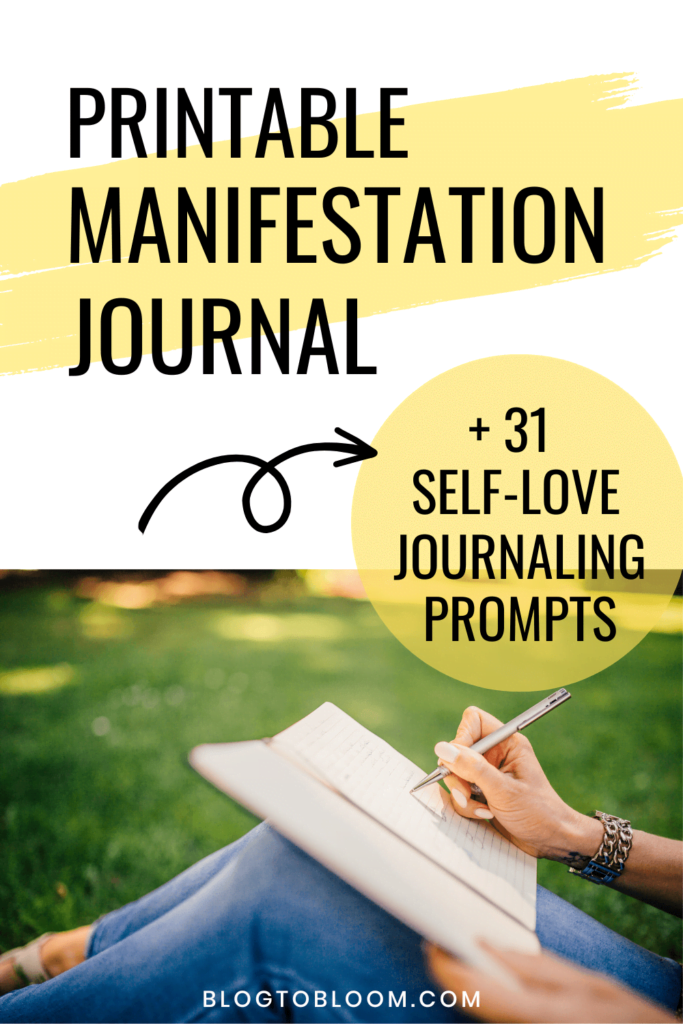
    If you’re interested in starting your manifestation, you may download the PDF for daily journal entries for FREE from my Gumroad shop (click here or here). Alternatively, you may purchase a copy of the full 90-day manifesting journal or the 90-day 369 manifesting journal from my Gumroad shop.


    Benefits of Journaling

    Journaling is an easily accessible wellness tool that offers a myriad of benefits, regardless of age and background.

    A journal is a safe and private space for us to express and process emotions. Thus, it helps us gain clarity on thoughts and feelings and reduce stress. 

    A study has found evidence that supports this claim. The participants of the study reported reduced stress after engaging in the Three-Minute Mental Makeover (3MMM) journaling exercise. 

    Through journaling, we can explore and organize our thoughts, aspirations, and challenges. We’re free to write down whatever is in our minds. Besides promoting self-awareness and self-confidence, journaling helps to inspire new perspectives, creative ideas, and effective solutions as we can express our thoughts and emotions freely in our journals.

    By developing a habit of spending some time journaling every day, we give ourselves some dedicated time for self-care and introspection. Even a few minutes a day are enough to foster mindfulness and help us focus on positive aspects of life, promoting our emotional well-being.

    How to Start a Journal

    The simplest way to start a journal is to grab a pen and a blank notebook and start jotting down whatever comes across your mind. 

    However, if you’ve never kept a journal before, you may have no idea what to write. 

    That’s why I propose the following 31 self-love journaling prompts to make your first step easy. 

    Of course, even if you’re no stranger to journaling, feel free to grab these prompts to add some new ideas and fun to your journal. 

    Save for later ⤵️

    manifestation journal printable pdf

    6 Tips for Maintaining a Journal

    Before we explore the 31 journaling prompts for self-love, allow me to suggest several other tips for you to start and maintain a journal:

    • Time yourself: Limit journaling sessions to 10 minutes per day to avoid feeling overwhelmed or bored.
    • Overcome the fear of the blank page: Start with small tasks like making lists or creating simple drawings to get into the habit of journaling.
    • Avoid screens: Opt for pen and paper journaling to engage your senses more deeply and slow down your thoughts.
    • Make your journal precious: Invest in a journal that you love, even if it’s more expensive, and view it as a durable keepsake of your creative expressions. Having said that, don’t worry about making your journal perfect. Messy handwriting, doodles, and run-on sentences are normal and perfectly okay.
    • Embrace randomness: Feel free to pick whichever prompt that appeals to you even if it’s out of order. You may use the same prompt again and as many times as you like. Just follow your heart!
    • Don’t worry if you miss a day: At times, life can get so busy that we may miss journaling a day or two. It’s okay, and don’t get discouraged. It happens to everyone. Just get back and continue the practice whenever you can.

    31 Self-Love Journaling Prompts

    1. What are three things I love about myself, both physically and emotionally?

    2. Describe a moment when I felt truly proud of myself and why.

    3. Write a letter to yourself, expressing love, appreciation, and encouragement.

    4. List five affirmations that resonate with me, and repeat them daily.

    5. How do I practice self-care, and what new self-care activities would I like to incorporate?

    6. What are some compliments I have received from others, and how do they make me feel?

    7. Write about a challenging experience or mistake, and focus on forgiving yourself.

    8. List ten things I am grateful for, recognizing the positive aspects of my life.

    9. Describe my ideal version of self-love and self-acceptance. What steps can I take to get closer to that?

    10. Reflect on times I have prioritized my well-being and how it positively impacted my life.

    11. Write about an accomplishment or achievement that makes me feel confident and empowered.

    12. Describe my favorite qualities or strengths, and how I can use them to uplift others.

    13. What are some limiting beliefs I have about myself? How can I challenge and replace them with positive affirmations?

    14. Write a forgiveness letter to myself, releasing any guilt or shame from past actions.

    15. How can I set healthier boundaries in my relationships to honor my self-worth?

    16. Describe a difficult situation I navigated successfully and how it strengthened me.

    17. List ten things I would do if I truly loved and accepted myself unconditionally.

    18. Write about an area of my life where I can practice more self-compassion.

    19. What activities or hobbies bring me joy and allow me to express myself authentically?

    20. Describe the kind of inner dialogue I want to have with myself and how it can support my self-love journey.

    21. Write about a time when I stepped out of my comfort zone and surprised myself.

    22. List three compliments or positive statements I can genuinely say to myself every day.

    23. Reflect on the people in my life who uplift and support me. How can I surround myself with more positive influences?

    24. Write about a challenge I am currently facing and how I can approach it with self-love and resilience.

    25. Describe my favorite self-care routine and why it makes me feel nurtured and rejuvenated.

    26. List ten qualities or characteristics that make me unique and special.

    27. How can I practice self-forgiveness for past mistakes and embrace growth and learning?

    28. Write about a fear I would like to overcome and the steps I can take to conquer it.

    29. Reflect on moments when I compared myself to others negatively. How can I cultivate more self-acceptance in those situations?

    30. Describe the ideal ways I want to celebrate and honor myself on a regular basis.

    31. Write about my self-love journey so far and the progress I have made. Celebrate the small wins and acknowledge my growth. 

    Download 31 Self-Love Journaling Prompts Free PDF

    Click the button below to download the 31 Self-Love Journaling Prompts PDF for absolutely FREE!

    Which prompts resonated with you the most? How did journaling impact your self-love journey? Feel free to leave a comment below and share your insights. 

    Leave a Reply

    Your email address will not be published. Required fields are marked *

  • How to Stay Positive During Difficult Times: 5 Effective Methods

    How to Stay Positive During Difficult Times: 5 Effective Methods

    In the midst of life’s inevitable challenges and uncertainties, knowing how to stay positive during difficult times is a valuable skill that can transform our resilience and outlook on life. While we all face ups and downs, cultivating a positive mindset allows us to navigate the toughest of situations with grace and determination. 

    In this blog post, we will explore proven strategies and practical techniques to maintain positivity during adversity, empowering you to face challenges with renewed strength and optimism.


    Contents

    Introduction

    “People come and go, experiencing both happiness and sadness, just as the moon undergoes phases of growth and decline.” (人有悲歡離合,月有陰晴圓缺)

    This famous verse by Su Shi, an ancient Chinese poet, aptly illustrates how natural it is to see ebbs and flows in life. 

    I believe that every one of us experiences ups and downs in life. While some people’s lives may be like a roller coaster ride, there are people whose lives are less dramatic.

    In any case, it’s almost certain that there are some hard times throughout the years, albeit of varying degrees.

    In other words, everyone has good and bad days. Good days may not last forever; but similarly, bad days are not to stay permanently either. 

    So hang in there, even if life may have been hard on us recently. I assure you that bad days will go and the situation will improve eventually.

    Staying Positive

    When I told a friend recently that my Amazon KDP account got terminated, she lamented: “This year has been hard on you.” I knew she also referred to my loss of a regular client and income early this year. 

    At face value, it’s a bad year for me. I would probably have panicked if it happened a few years ago.

    But this time around, I’ve managed to stay positive during this seemingly difficult time.

    It’s thanks to the change in my mindset. Now I see the loss and adversity as a blessing in disguise. It allows me to pursue new dreams and aspirations. 

    After all, I’d probably have no motivation to take action if the status quo had remained.

    Save for later ⤵️

    how to stay positive

    The Power of Positive Thinking

    Come to think about it, being able to maintain a positive mindset has helped me navigate the challenges a lot easier. 

    By staying positive, I’ve been able to evaluate my situation more objectively.

    My mind is clear and open, allowing me to think from multiple perspectives and handle difficult situations with greater composure.

    Optimism protects me from worries, stress, anxiety, and fear.

    Not bothered by unnecessary negative emotions, I’ve been able to focus on seeking solutions, learning new skills, and making long-term plans.

    Indeed, research has shown that a positive mindset is associated with better physical and mental health outcomes.

    It can lead to an increased lifespan, greater resistance to illnesses, improved physical and psychological well-being, a lower risk of certain health conditions, and lower rates of depression.

    Proven Tactics to Help You Stay Positive

    Now, let’s explore what we can do to help us stay hopeful and optimistic when life is hard. I have firsthand experience in most of the following tactics.

    They have effectively helped me pull through difficult situations and manage my emotions. 

    Acknowledge Negative Emotions

    First, let’s be with our feelings. If you feel any negative emotions, acknowledge them and accept them as a natural experience as a human. 

    Tell yourself that it’s perfectly all right to feel not all right. 

    If we deny or suppress those feelings, it might lead to increased stress and internal conflict, and even tensions in relationships with others.

    Accepting negative emotions with self-compassion will help us process them effectively and find healthier ways to cope with them.

    Don’t be afraid of showing your vulnerable side. In fact, vulnerability and open and genuine communication can strengthen our connections with our loved ones.  

    Observe Your Emotions

    When negative emotions arise, be an observer, rather than a judge or critic. 

    For example, if you feel frustrated, identify that emotion and take note of it.

    Avoid judging or criticizing yourself for feeling that way. Simply observe it, and let it pass.

    You may try the following visualization exercise to help release any negative emotions:

    Imagine that you have a large transparent jar. It represents your emotional space.

    Identify the specific emotion you want to release. It could be anger, sadness, fear, or any other feeling you wish to let go of. Assign a color and shape to the emotion you want to visualize.

    For example, you might choose red for anger, blue for sadness, or grey for frustration. Shapes can be simple, such as a cloud for uncertainty, a flame for anger, or a tear for sadness.

    With your eyes closed, take a few deep breaths.

    Now, visualize the emotion as a cloud, energy, or object gathering inside the jar. See the color and shape representing the emotion vividly.

    Next, visualize yourself opening the lid of the jar.

    As you do this, see the emotion leaving the container and floating away into the sky. Imagine it dissipating or being carried off by a gentle breeze until it becomes smaller and smaller, eventually disappearing.

    While visualizing the emotion leaving, remind yourself that it’s okay to feel this emotion and that you are releasing it with acceptance and self-compassion.

    Take a few more deep breaths to ground yourself and reconnect with the present moment. Focus on the sensation of your breath and the feeling of being anchored in the here and now.

    Feel free to repeat the exercise whenever you need it. If you find it difficult to visualize, you may write down the emotions or things that you wish to let go in a piece of paper. 

    Throw it into a fireplace or burn it in a fire-safe container such as an ashtray. As it turns to ash, imagine you have released it.

    Save for later ⤵️

    remove negative energy

    Practice Meditation or Breathing Exercises

    It has been proven scientifically that meditation can improve our quality of life in many ways.

    Meditation helps to reduce stress and anxiety, improve the quality of sleep, enhance our ability to focus and concentrate, promote mindfulness and self-awareness, and improve our cognitive functions.

    In addition, meditation also helps to reduce blood pressure, improve cardiovascular health, and strengthen our immunity.

    I’ve personally picked up meditation again since about a month ago. By spending 10-30 minutes a day, before sleep and sometimes, in the morning, practicing meditation.

    Above everything else, I’ve been able to sleep a lot better. 

    As the quality of sleep improves, I wake up earlier naturally and effortlessly. It’s great waking up feeling rejuvenated.

    You know you are fully recharged and have sufficient energy to tackle whatever challenges come.

    There are various types of meditation. Choose one that suits you best. 

    I used to find it hard to meditate because I didn’t know how to focus on my breathing. I got easily distracted by all sorts of thoughts and noises in my mind. That’s why I quit meditation for many years until I stumbled upon some guided meditation videos on YouTube recently. 

    There’s also no right or wrong way to do meditation. It’s not even necessary to sit in a lotus pose.

    Any activity that directs your attention to being mindful of the present is meditative and good enough to help you stay positive during difficult times.

    Journaling

    I’ve incorporated journaling into my daily routine recently.

    This is the first time I keep a journal regularly. Interestingly, what inspired me to start journaling was two manifestation journals I designed to be sold on Amazon. 

    Eventually, I didn’t get to sell the books because my account was shut down before they went live. I haven’t gotten my Amazon KDP account back, and now, I haven’t decided yet if I still want to get it back.

    But I keep journaling every day. It’s been more than a month now.

    Every morning, I write my intention, my daily affirmation, what I’m grateful for, and my action plan.

    In addition, I also employ the 369 technique by writing my daily affirmations 3, 6, and 9 times in the morning, afternoon, and evening respectively.

    Through journaling, I reaffirm and remind myself of my goals and my aspirations. I set my intentions and direction right in the morning. 

    Gratitude journaling helps me reflect on my life and pay attention to the positive aspects, increasing my positivity.

    Writing and repeating affirmations boost self-awareness, self-love, confidence, and motivation.

    Research has confirmed the many benefits of journaling, including helping to reduce and manage stress, anxiety, and symptoms of depression. 

    Moreover, a journal provides a private and safe space for us to express and process our emotions and reflect on what has happened.

    This will help us gain clarity on our thoughts, feelings, and experiences and inspire new ideas and perspectives.

    Engaging in Relaxing Activities

    It’s challenging to maintain a positive mindset when the circumstances are not in our favor. We will need a break from stressors to manage our emotions positively. 

    Taking a walk is one of my favorite things to do when I need to distract myself from negative thoughts. It’s even better if I can do so in nature. 

    A study shows that just spending 20 minutes in nature can help lower stress hormone levels.

    In fact, we may not even need a study to tell us the calming and therapeutic effects of nature on our minds and bodies. Isn’t it?

    Creative and relaxing activities such as drawing, coloring, crocheting, knitting, etc., help us focus on the here and present and hence, divert our attention from rumination and cultivation a sense of calm and peace.

    When our mind is calm and clear, we can make better judgments and decisions, which will make us feel good and believe the situation will improve. 

    Take Your Time

    When we’re in difficult times, it’s best not to rush into any decisions and reactions.

    Take your time, and take things slowly. 

    It’s crucial to take good care of yourself. Try the few ideas suggested above and see how you feel.

    Regard the tough times as a period for us to take a break and rest. Trust me, once we develop a positive outlook on life, things will start to improve. 


    I’d love to hear from you now. What are your thoughts on maintaining positivity during tough times? Have you tried any of the suggested tactics, and how did they work for you? Share your experiences, tips, or questions in the comments below.

    Together, let’s inspire and support each other on our journey to staying positive amidst life’s challenges.

  • How to Save Effectively: 7 Insanely Easy Tips

    How to Save Effectively: 7 Insanely Easy Tips

    Are you looking for ways to save more? In today’s ever-changing economic landscape, knowing how to build up one’s savings has become a universal concern. Whether you’re facing economic hardship or simply want to secure a better financial future, understanding the art of saving money is a crucial skill. In this blog post, we’ll explore practical tips, strategies, and actionable steps on “how to save effectively.”


    Contents

    Introduction

    A couple of months ago, I stumbled upon a Japanese channel on YouTube on the streaming platform’s recommendation. The title of the specific video is “収入が少ない我が家の暮らし方,” meaning “Our way of living as a low-income household.” 

    In the video, the YouTuber shares how she and her family practice frugality in their daily life. 

    Interestingly, even though the video was primarily in Japanese (English translation is available), there were many English or non-Japanese comments. (Unfortunately, the comment section has been turned off now.)

    I remember many viewers (presumably) from around the world expressed how they related to the video. From those comments, I kind of understood how inflation and economic hardship had hit people in many countries. 

    How to Save Money: A Universal Concern

    It has become clear to me that “how to save money” is now a universal concern. It’s not exclusive to less developed countries. 

    I’m not sure whether frugality is in my blood, or I’ve acquired the habit because of my upbringing. In any case, it’s thanks to my parents, who are thrifty people and oftentimes, to the extent of penny-pinching.

    7 Tips to Help You Save Effectively

    Although I regretted not learning more about money management when I was younger, I’m grateful for developing a savings habit since I was a child. 

    Practicing frugality and saving money alone is by no means enough to achieve financial freedom. But it’s the first step. It’s especially true for the lower income groups and those who do not come from wealthy families.

    Save for later ⤵️

    easy money saving tips

    #1 – Set Clear Savings Goals

    Like any other task in the world, the first step is always the toughest. Frugality requires discipline, consistency, and keeping our desires in check. For some, all these may run counter to their nature. 

    To make sure that we achieve our goals, we have to first define what our goals are. Before we ask “how to save effectively” let’s ask ourselves the why and what questions first. 

    Why do we save? What do we save for? 

    Are you saving for retirement, investment, a child’s education fund, an emergency fund, a downpayment for a home, a vacation, or other aspirations? 

    Having a clear objective and direction will keep us focused and motivated.

    #2 – Track Your Expenses

    To answer the “how to” questions, we need to first examine where our money goes. The best practice is to keep a record of all our expenses. 

    I’ve been keeping this habit for years. Thanks to this habit, I know how much I need each month for my basic necessities. When I lost my only regular client and income a few months ago, I could easily estimate how many months I can sustain without the need of tapping into my savings and investment accounts. 

    By tracking our expenses, not only can we know how much we spend every month we can also gain better insights into our spending patterns. For example, where our money has mostly gone?


    To make it easier for you to start tracking, here is a monthly expense tracker spreadsheet for you to download for absolutely FREE.

    #3 – Cut Unnecessary Expenses

    This task will become easier one or two months after you start tracking your expenses.

    First, list out all your expenses and the amount you spent. Then, divide them into categories like food, transportation, everyday items, housing, utilities, etc. 

    Review the list and identify unnecessary or discretionary spending that you can reduce or eliminate. For example, if you think you want to cut down your spending on food, you may consider preparing and bringing your lunch box and eating out less often. 

    Also, check if you have subscriptions that you barely use or don’t use at all. Consider canceling those subscriptions or switching to a cheaper alternative.

    About a year ago, I downgraded my broadband plan from a 500 Mbps plan to 100 Mbps. The Internet connection has not slowed down at all. After all, I don’t have so many devices using the Internet at the same at home. The decision has saved me about 30% of my spending on broadband every month.  

    #4 – Create a Budget

    A budget can help you plan your spending and make sure you stay on track to meet your savings goals.


    If you don’t know how to start, here is a monthly budget planner that can help you plan and save effectively. Click the “Yes! Send Me The Free PDF” button below to download it for FREE.


    I also recommend the following six steps to create a feasible budget:

    • Track all sources of income, including salary, freelance work, or side hustles.
    • List and prioritize your fixed expenses, e.g. rent, utilities, insurance premiums, and loan payments.
    • Estimate variable expenses, e.g. groceries, transportation, dining out, entertainment, and personal care.
    • Allocate a specific amount for savings goals, such as emergency funds or retirement.
    • Dedicate a portion of your budget to debt repayment if you have outstanding debts.
    • Set aside a small amount for miscellaneous or unexpected expenses.

    #5 – Automate Savings

    Every month, when you receive your paycheck, do you spend or save first? I believe most people fall into the first category. In fact, me too. 

    However, when I heard about the recommendation of setting aside a portion of your income for savings before you spend, I thought it was a smart idea. It’s especially crucial for those who tend to spend more whenever they have more money.

    Once you have established your budget, you may fix a sum that you can and want to save every month. Then, set up automatic transfers to a dedicated savings account. In this way, you can make saving a priority without relying solely on willpower.

    #6 – Practice Mindful Spending

    Whenever you want a non-essential item, reflect on yourself if it aligns with your long-term financial goals. 

    It’s wise to remind yourself to wait for a day or two or even longer to evaluate if you really need or want it. Sometimes, we will see our desire subsides and the urge to buy something diminishes after a day or two. In this way, we can avoid impulsive purchases.

    Based on personal experience, it is particularly necessary to practice mindful spending when we travel abroad. Otherwise, we may end up buying a lot of stuff that we will never use or barely have a chance to use.

    Don’t you agree, ladies? *Wink* *Wink*

    #7 – Set Small Realistic Savings Goals

    Like writing, saving money is not a fun-filled and exciting task that we can adopt it as a habit if we’re not motivated enough.

    How to stay motivated? We will probably feel motivated when we achieve our goals. So how to achieve our goals easier and faster? Simple. Just break our ultimate goal down into many smaller and more realistic goals!

    For example, if your goal is to save $10,000. You may break it down into 10 smaller goals of saving $1,000. Celebrate and reward yourself every time you reach a new $1,000 mark.

    Save for later ⤵️

    saving money on a low income

    Increase Income to Save More

    If you still find it hard to achieve your saving goals even after implementing the tips above, you may consider looking for ways to boost your income. 

    You may consider taking on some freelance work or starting a side business. The additional income from those side hustles can be directly allocated to savings.

    Why not start a blog to monetize it? Whether you’re a full-time employer, a homemaker, a student, or a retiree, blogging can be an effective and flexible way to generate some extra income for yourself and your loved ones. 


    Have no idea how to start a blog? Don’t know how to write a blog post? Check out my easy-to-follow step-by-step guides to starting a blog and self-hosting a blog with WordPress for absolute beginners and my essential writing tips for beginner bloggers.


    Saving more is a journey that requires discipline and commitment. Always remind yourself that every dollar you save today is an investment in a better tomorrow. By staying committed, you’ll see your savings grow and pave the way to financial abundance.


    I would love to hear your thoughts on how to save effectively! Have you tried any of the tips mentioned in this post? Do you have any additional strategies or personal experiences you’d like to share? Leave a comment below and let us know how you approach saving money. Your insights might inspire and help others in their own financial journeys.